Complex Regional pain syndrome is a form of chronic pain that usually affects a person’s arm or leg. Symptoms of CRPS usually initiate after a serious injury, stroke, surgery, or heart attack. The pain is exceptionally higher than the initial injury.
CRPS is rare and still not fully understood, which makes it easy to misdiagnose or dismiss. The exact cause isn’t yet known. But improvement and even remission is possible, and people who start treatment early tend to see the most success.
0.06–0.1%
of the global population is affected by CRPS, making it a rare and frequently misunderstood condition.
Unknown
The exact cause of CRPS has not yet been identified — but early treatment consistently improves outcomes.
02 — Recognition
Signs and Symptoms
CRPS looks different in everyone, and symptoms can change over time worsening, improving, or spreading to other parts of the body, often the opposite limb. For some, symptoms fade on their own. For others, they persist for months or years. Time is the key factor for improvement, which is why early recognition matters.
Continuous burning or throbbing pain, usually in an arm, leg, hand, or foot
Sensitivity to touch or cold
Swelling of the painful area
Skin temperature changes alternating sweaty and cold
Skin color changes white, blotchy, red, or blue
Skin texture changes tender, thin, or shiny
Changes in hair and nail growth
Joint stiffness, swelling, and damage
Muscle spasms, tremors, and weakness (atrophy)
Decreased ability to move the affected body part
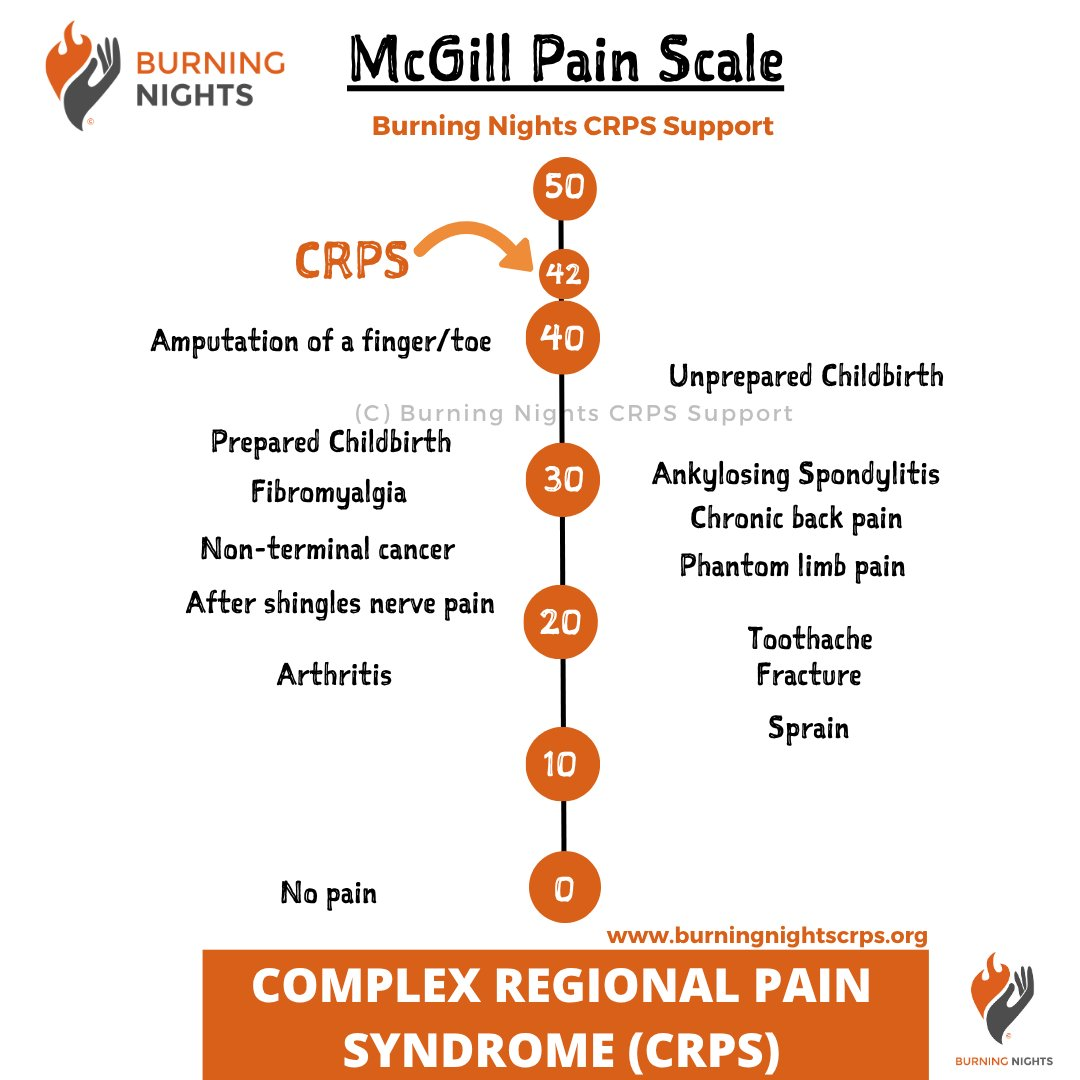
The McGill Pain Index — CRPS consistently ranks among the most painful conditions measured.
03 — Getting Answers
How is it Diagnosed?
There is no single test that confirms CRPS. Instead, doctors rely on a combination of clues — ruling out other conditions while building a clinical picture. These are the tests most commonly used.
Imaging
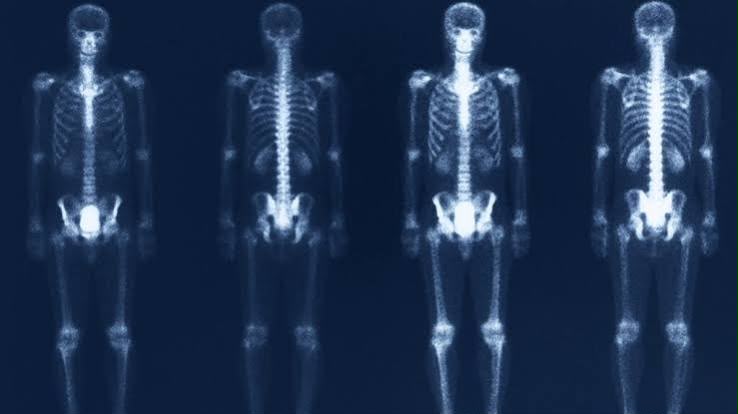
Bone Scan
Helps identify bone changes associated with CRPS.
Functional Test
Sweat Production Test
Uneven sweat output between comparative limbs can indicate CRPS.
Imaging
X-Rays
In later stages, mineral loss in the affected limb may become visible.
Imaging
MRI
Can capture tissue changes that help rule out other conditions.
Diagnosis is a process of ruling out — most patients see more than one specialist before receiving a confirmed CRPS diagnosis.
04 — Moving Forward
Treatment
Early treatment meaningfully improves CRPS symptoms. Most patients need a combination of approaches rather than a single fix typically a mix of medication and therapy, tailored over time.
Medications
Pain Relievers
First-line management for everyday CRPS pain.
Antidepressants & Anticonvulsants
Used to treat pain that originates from a damaged nerve.
Corticosteroids
May reduce inflammation and improve mobility.
Bone-Loss Medications
Address mineral loss associated with later-stage CRPS.
Sympathetic Nerve-Blocking Medication
An anesthetic injection that blocks pain fibers in the affected nerves.
Intravenous Ketamine
Can substantially alleviate pain in more severe cases.
Blood Pressure Medicines
Certain formulations can help control CRPS-related pain.
Therapies
Heat Therapy
May relieve swelling and discomfort on skin that feels cool.
Topical Analgesics
May reduce hypersensitivity in the affected area.
Physical / Occupational Therapy
Rebuilds function and mobility over time.
Mirror Therapy
Uses a mirror to help “trick” the brain may improve function and reduce pain.
TENS
Electrical impulses targeting nerve endings that can ease chronic pain.
Biofeedback
Builds body awareness so you can consciously relax and relieve pain.
Spinal Cord Stimulation
Tiny electrodes deliver current along the spinal cord to help manage pain.
Intrathecal Drug Pumps
Pain-relieving medication delivered directly into spinal cord fluid.
Acupuncture
Thin needles stimulate nerves and tissue, potentially increasing blood flow and relieving pain.
Remember:CRPS treatment is rarely one-size-fits-all. What works is usually a personalized combination, refined with your care team over time.
Sources
Mayo Clinic. Complex regional pain syndrome – diagnosis and treatment. Retrieved July 24, 2026, from mayoclinic.org.